Malta records about 3,050 hours of sunshine a year and roughly 600 mm of rain, and almost all of that rain falls between October and March. Average daytime highs run from 15–16°C in January and February to 32°C in August, with an annual average high of about 23°C – one of the narrowest year-round temperature ranges in Europe.
The number most trips actually turn on is the sea, because it lags the air by two to three months in both directions. It sits at about 16°C from February through April, crosses 20°C in June, peaks at 26–27°C in August, and is still above 20°C in November. That lag is why a November swim works and an April one does not.
Malta temperature by month: the full table
| Month | Avg High | Avg Low | Sea Temp | Rainfall | Feel |
|---|---|---|---|---|---|
| January | 15–16°C | 9–10°C | ~16°C | ~95–100 mm | Wettest month, cheapest prices |
| February | 15–16°C | 9–10°C | ~16°C | ~60–65 mm | Carnival, a third drier than January |
| March | 17°C | 11°C | ~16°C | ~45 mm | Warming, countryside at its greenest |
| April | 20°C | 12–13°C | ~16°C | ~20 mm | Pleasant on land, sea still cold |
| May | 24°C | 16–17°C | ~19°C | ~15 mm | Warm, sea on the edge of swimmable |
| June | 28–29°C | 19–21°C | ~22°C | ~5 mm | Hot, effectively dry, long days |
| July | 31–32°C | 22–24°C | ~25°C | ~0 mm | Peak heat, peak crowds, peak prices |
| August | 32°C | 23–24°C | ~26–27°C | ~15 mm | Hottest month, warmest sea |
| September | 29°C | 20–21°C | ~26°C | ~36–40 mm | Summer sea, autumn prices |
| October | 24–25°C | 18°C | ~24°C | ~75–85 mm | Mild, sea still warm, rain returns |
| November | 20°C | 14°C | ~21°C | ~80–90 mm | Last swimmable month, wet |
| December | 16°C | 11°C | ~17–18°C | ~85–110 mm | Shortest days, Christmas, wet |
Figures are long-term averages compiled from Malta's Met Office records (via Wikipedia's Climate of Malta) and Climates to Travel, cross-checked against our individual month guides.
Wet-day counts are the one figure worth treating with suspicion. Different records use different thresholds for what counts as a rain day, and the disagreement is large in winter: January comes out at 15 days in the Met Office series and 10 in Climates to Travel, February at 12 versus 7. Rainfall in millimetres is the more stable comparison, which is why the table uses it.
How hot does Malta actually get in summer?
August is Malta's hottest month, averaging 32°C by day and 23–24°C overnight, with July within half a degree of it. Both sources agree on August, and the margin over July is small enough that the practical answer is "July and August are the same, and both are hot".
The number understates the experience in two specific places. Valletta and Mdina are dense limestone grids with narrow streets that trap and re-radiate heat, and at midday in August they are genuinely uncomfortable rather than merely warm. The coast is a different proposition entirely – the same 32°C with a sea breeze and 27°C water is a pleasant beach day.
The practical fix is scheduling, not avoidance: sightseeing before 11:00 or after 17:00, midday at the water or over a long shaded lunch. Our worst time to visit Malta guide is blunt about where peak August falls short.
When is the sea warm enough to swim in Malta?
Malta's sea stays above 20°C from June through to November – a six-month window that is longer than almost anywhere else in the Mediterranean, and the strongest single argument for the islands over mainland alternatives.
- June to August: 22°C rising to 26–27°C – full swimming season, and August is the warmest water of the year
- September to October: 26°C easing to 24°C – still summer water at autumn prices, the best value of the year
- November: around 21°C early, dropping to 17–18°C by month's end – the last month it works, and only in the first half
- December to May: 16–19°C – wetsuit territory, and diving rather than swimming
The asymmetry is the useful bit. May and November sit at almost identical air temperatures, but the sea is 19°C in May and 21°C in November, because the water is still shedding summer heat in autumn and still cold from winter in spring. If swimming matters and you want a shoulder month, autumn beats spring.
When does it rain in Malta?
Roughly 600 mm falls each year, concentrated almost entirely between October and March. July is the driest month on record at effectively zero, and June and August each average a single wet day.
What the annual total hides is the pattern. Maltese rain arrives as short, heavy bursts – an hour of downpour clearing to blue sky – rather than the persistent grey the same figure produces in northern Europe. Even in December and January, roughly two-thirds of days stay dry, and the 3,050 annual sunshine hours are what actually distinguish the Maltese winter from a British one.
December and January are the two wettest months, at roughly 85–110 mm and 95–100 mm respectively. If you are travelling between November and February, carry a light waterproof and keep half a day of slack in the itinerary; that absorbs almost all of it.
Which month should you pick?
Most of the trade-off comes down to three questions: do you need to swim, can you tolerate 32°C, and how much does price matter.
- Swimming plus sightseeing, without the crush: September or early June. Sea at 22–26°C, air below the August peak, and prices off their high.
- A pure beach holiday: July or August. Warmest water of the year, effectively no rain, and the highest prices and busiest sites to go with it.
- Walking, hiking and the countryside: March or April. Green landscape, 17–20°C, very little rain, and the sea irrelevant because it is 16°C either way.
- Cheapest possible trip: January. Lowest flight and hotel rates of the year outside the New Year peak, at the cost of the wettest month and 5.5 hours of sunshine a day.
- A city break with an event attached: December or February – Valletta's Christmas market and New Year's Eve, or Carnival in the week before Lent.
For most first-time visitors the answer is May, June or September. The best time to visit Malta guide goes further into the price and crowd side of that decision.
Malta month by month, in detail
Each month has its own guide with the full picture – events, costs, what is open and what is not.
- Winter: January is the cheapest and wettest · February is drier and carries Carnival · December has the Christmas market and the shortest days
- Spring: March greens up and dries out · April brings Easter and 20°C · May is the first properly warm month
- Summer: June opens the swimming season · July is the driest month of the year · August is the hottest and busiest
- Autumn: September keeps summer sea at lower prices · October holds 24°C water as the rain returns · November is the last swimmable month
Whichever you pick, Malta's scale works in your favour: the main island is roughly 27 km end to end, so a change in the weather rarely costs you more than a change of plan.
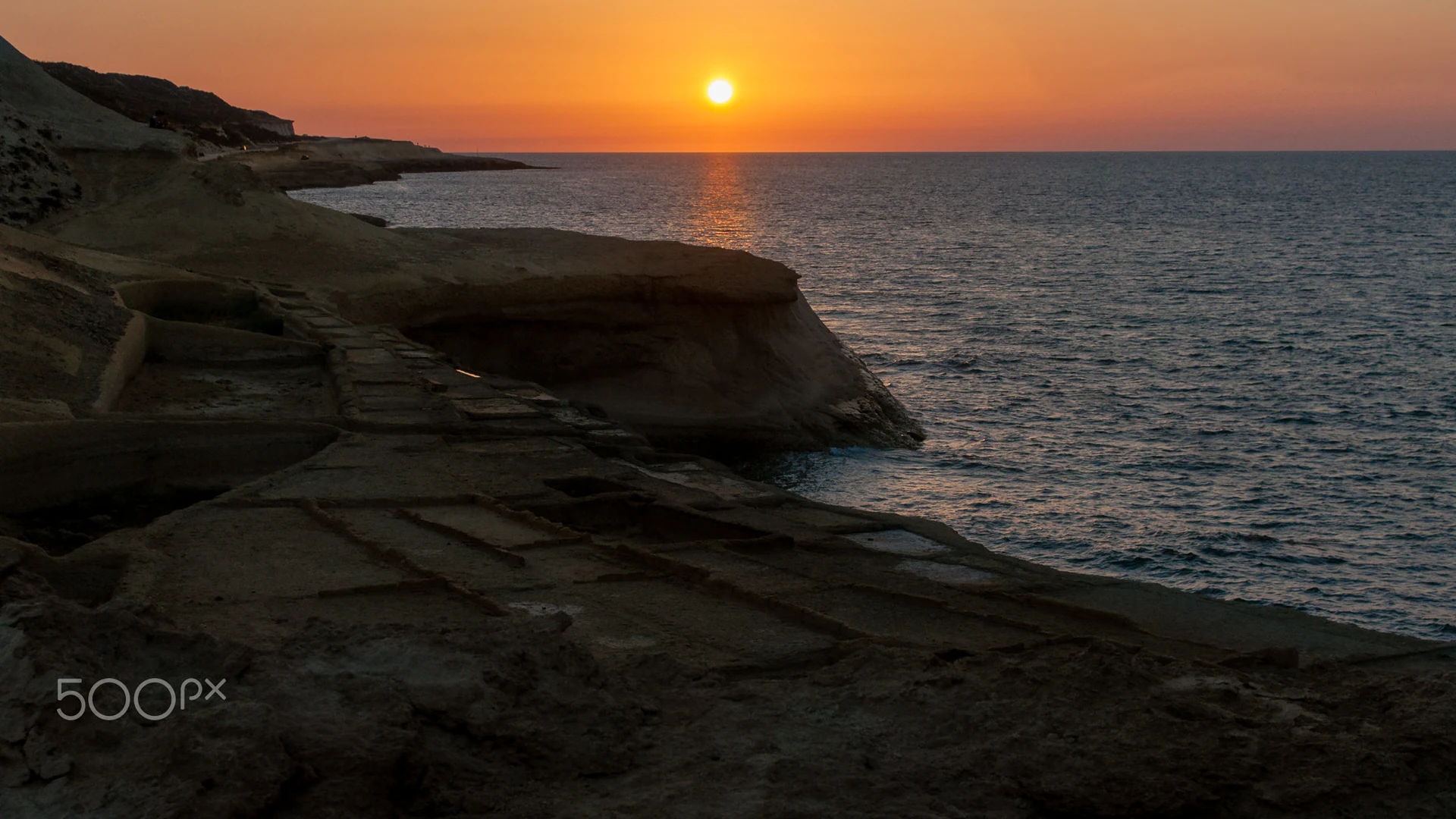
Featured image: Mario Paolata / Wikimedia Commons / CC BY-SA 3.0