Malta is 316 km² – small enough to cross by road in about an hour – and carries temples built around 3600 BC, a fortified capital, and two offshore islands worth a day each. The scale is what catches people out: everything looks close on a map, so first-timers stack four sights into a day and spend it on buses.
This guide covers the ten things that genuinely earn a slot, with 2026 entry prices and opening hours, because half of planning Malta is knowing that St John's Co-Cathedral shuts at 16:45 and never opens on a Sunday. At the end: what it all costs, and how to sequence it across three days.
What does it cost to get in? 2026 prices at a glance
| Sight | Adult entry | Key detail |
|---|---|---|
| St John's Co-Cathedral, Valletta | €15 | €12 senior/student, free under-12 with an adult |
| Upper Barrakka Gardens, Valletta | Free | Noon gun fires daily from the saluting battery |
| Mdina (the walled city) | Free | You pay only for individual attractions inside |
| Mdina / St Paul's Cathedral | €15 | €10 student and senior, under 12 free |
| Palazzo Falson, Mdina | €10 | Closed Mondays |
| Ħaġar Qim & Mnajdra temples | about €10 | Combined ticket, includes the visitor centre |
| Blue Grotto boat trip | €10–12 | About €5 per child, cash only at the kiosk |
Prices were checked in August 2026. Heritage Malta sites and church-run attractions adjust seasonally, so treat these as the planning figure rather than a guarantee.
1. Valletta and St John's Co-Cathedral
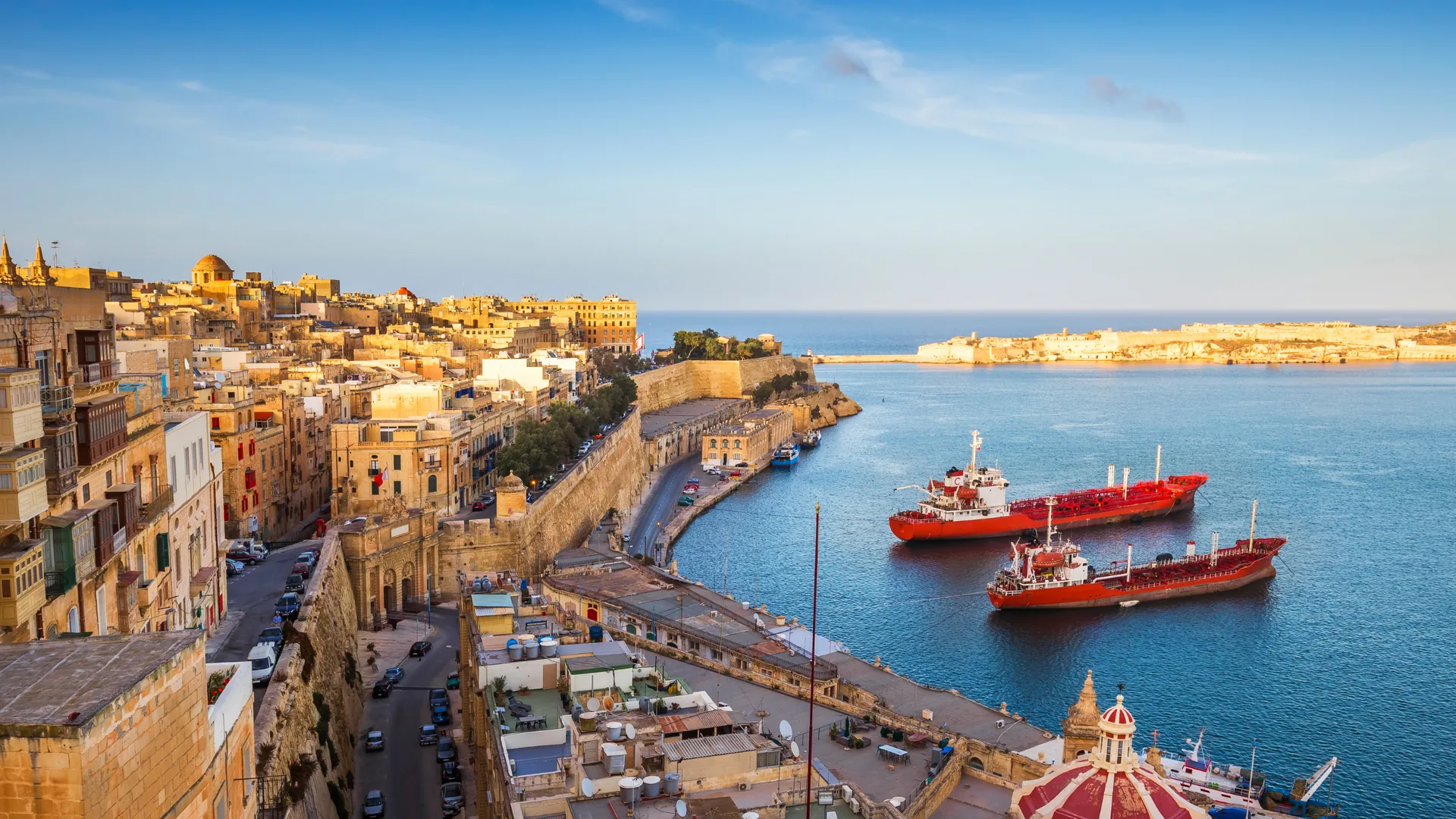
Start in the capital, because it explains the rest of the country. Valletta was built by the Knights of St John after the 1565 Great Siege, and it is small – roughly 1 km by 600 m, walkable end to end in twenty minutes.
St John's Co-Cathedral costs €15 for adults and opens Monday to Saturday 09:00–16:45, with last admission at 16:00. It is closed on Sundays and public holidays – the single most common planning mistake visitors make here. The €15 includes a handheld audio guide with 20 stops, and a belfry tour is available for about €5 more.
Inside is the payoff: a plain facade concealing a heavily gilded Baroque interior, a floor of inlaid marble tomb slabs, and Caravaggio's The Beheading of Saint John the Baptist – the only painting he ever signed. Occasional one-off closures apply for religious functions, so check the cathedral's own site against your dates before building a morning around it.
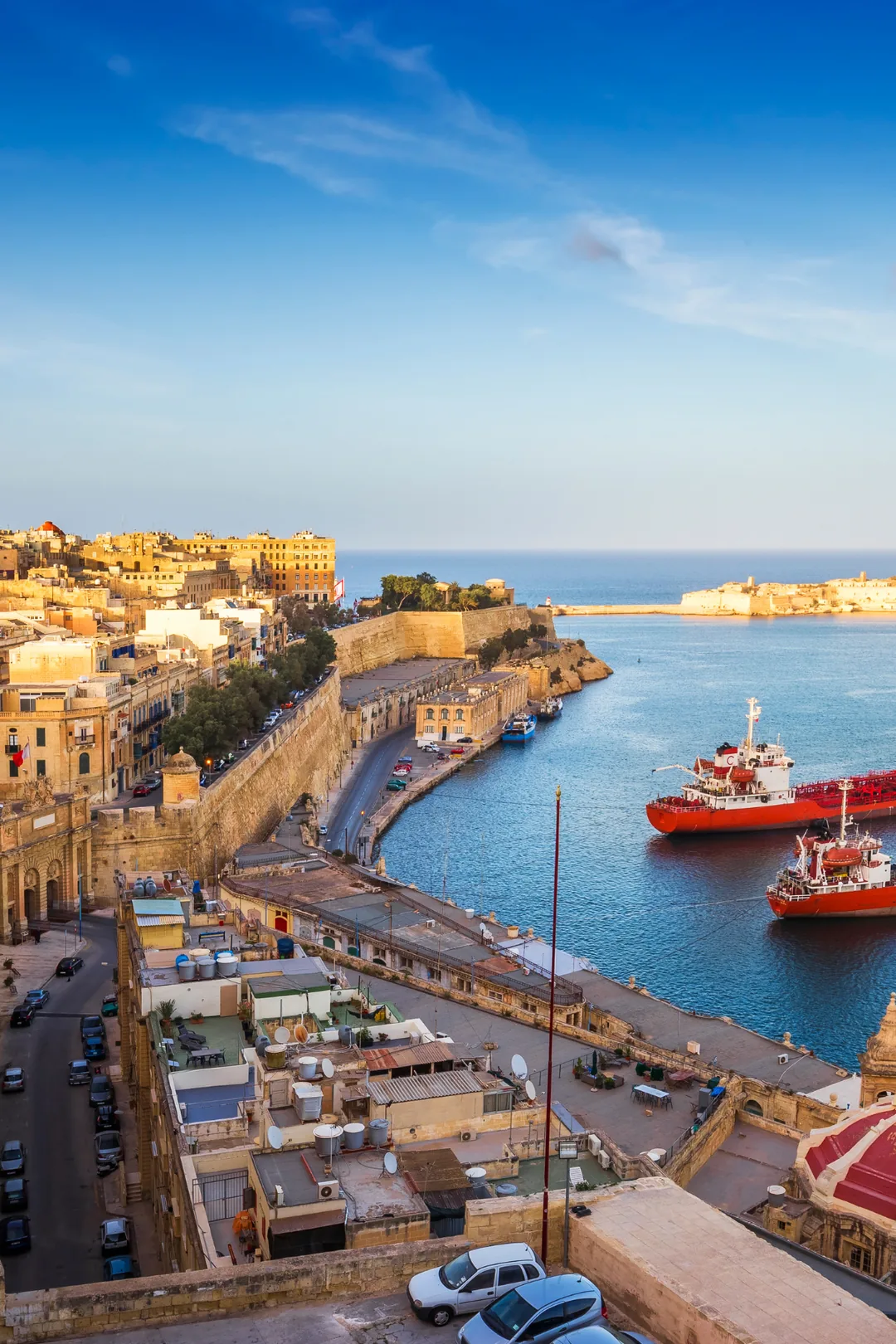
The Upper Barrakka Gardens are free and give the view over the Grand Harbour towards the Three Cities. Time it for noon, when the saluting battery below fires the gun. Beyond those two, Valletta rewards wandering: stepped side streets, enclosed timber balconies, bars built into the bastions.
A guided Valletta tour including St John's handles the route and the cathedral entry together if you would rather not sequence it yourself. For a full day, our things to do in Valletta guide adds Fort St Elmo and the war museum, and the St John's Co-Cathedral guide goes deeper on the interior.
2. Mdina and Rabat, the old inland capital
Malta's capital before Valletta, Mdina is a walled, almost entirely car-free medieval town of roughly 250 residents, which is why it picked up the nickname "the silent city". Entry to the city itself is free – you pay only for what you go into.
Two interiors are worth it. Mdina's St Paul's Cathedral costs €15 for adults, €10 for students and seniors, and includes the Cathedral Museum, opening Monday to Saturday 09:30–16:30 with the last ticket at 16:15. Palazzo Falson, a preserved medieval townhouse, charges €10 and opens 10:00–17:00 daily except Monday.
Go early or late. Mdina takes coach parties through the middle of the day, and the whole appeal is the quiet – at 08:30 or after 18:00 you get the lanes largely to yourself.
Immediately outside the walls, Rabat adds St Paul's Catacombs, an early-Christian underground burial complex, with no extra transport needed. The two work as one half-day; a Mdina walking tour supplies the history if you would rather not read plaques. Our Mdina and Rabat day trip guide has the route and bus details.
3. The megalithic temples, older than the pyramids
This is Malta's genuine claim to something no other Mediterranean island has. The megalithic temples date to roughly 3600 BC, predating both Stonehenge and the Egyptian pyramids by several centuries.
The pair to visit is Ħaġar Qim and Mnajdra near Qrendi, on a combined ticket of about €10 that includes the visitor centre. They sit on the southern cliffs above the sea, which does most of the atmospheric work. Summer hours run roughly 08:00–19:15 with last admission at 18:45; off-season hours shorten considerably and vary, so confirm current Heritage Malta times before travelling rather than relying on any guide, including this one.
The most remarkable site is underground and the hardest to enter: the Ħal Saflieni Hypogeum in Paola, a subterranean burial complex carved from solid rock.
One or two temple sites is plenty for most trips. Tarxien Temples make an easy add-on near Valletta if you want a third. Our megalithic temples guide compares them, and the Ħaġar Qim and Mnajdra guide covers that pair in detail.
4. The Blue Grotto and the south coast
The Blue Grotto at Wied iż-Żurrieq is a set of sea caves below the southern cliffs. The clifftop viewing platform is free and open at all times. The boat trip into the caves costs €10–12 for adults and about €5 for children, runs roughly 25 minutes, and is cash only at the kiosk – no advance booking, because it depends entirely on the sea.
Go between 09:00 and noon on a calm, sunny day. That is when light enters the caves and produces the colour the place is named for; by afternoon it flattens out. If the sea is up, boats do not run at all, and no amount of planning changes that.
It sits a short hop from Ħaġar Qim, so the two pair naturally in one morning. Our Blue Grotto guide covers the timings and the walk down.
5. Marsaxlokk and a seafood lunch
Marsaxlokk is the fishing village on the southeast coast whose harbour is filled with luzzu – brightly painted wooden boats with an eye on the prow, a superstition inherited from the Phoenicians. It is the most photographed working scene in Malta and, unusually, still a functioning fishing port rather than a set.
The Sunday fish market is the headline, and correspondingly busy. Any other day gives you the same harbour, the same restaurants along the front, and room to sit down. Lunch here is the point: whole fish, priced by weight, eaten looking at the boats that landed it.
Because the Blue Grotto, Ħaġar Qim and Marsaxlokk sit within a few kilometres of one another, a single southern Malta tour covers all three without a car. Our Marsaxlokk guide has the market days and where to eat.
6. Comino and the Blue Lagoon
The Blue Lagoon is the shallow turquoise channel between Comino and the islet of Cominotto, and it is the single most crowded spot in the Maltese islands in July and August.
One rule shapes the whole day. Since 1 May 2025, setting foot on the shore at the Blue Lagoon requires a free, pre-booked QR-code time slot, still in force for the 2026 season, in three daily windows: 08:00–13:00, 13:30–17:30 and 18:00–22:00. The exemption most guides bury: the slot governs landing, not swimming – arrive by boat, swim off the deck, and you need nothing.
Most people take a Comino boat trip covering the Blue Lagoon, Crystal Lagoon and the sea caves from Bugibba, which sidesteps the slot system and gives you shade and a bar for the hours when the shore is full. Go before 09:30 or after 16:00; September is the best month overall, with the sea still around 25°C and August's crowds gone.
Our Blue Lagoon and Comino guide compares the departure points and prices, and the Comino island guide covers the walking routes for anyone taking a shore slot.
7. A full day on Gozo
Gozo is the second island: greener, slower, more agricultural, and reached by a 25-minute ferry from Ċirkewwa to Mġarr on which you pay only on the return leg. It deserves a full day, not a few hours bolted onto a boat trip.
The centrepiece is Victoria's Cittadella, a fortified hilltop citadel with views across the whole island. Add the Ġgantija temples – older again than Ħaġar Qim – the salt pans on the north coast, and Ramla Bay's red sand. A full-day Gozo excursion handles the ferry and the driving.
Deciding between the two islands for your one big day out? The Blue Lagoon is a swimming day; Gozo is an exploring day. Our Malta vs Gozo comparison weighs them properly, things to do in Gozo covers the island in full, and the Gozo day trip guide has the ferry timings.
8. The beaches worth the journey
Malta's coastline is mostly rock, so the sandy beaches are few and concentrated in the northwest.
- Golden Bay: the easiest choice – proper sand, facilities, bus access, good for a sunset
- Għajn Tuffieħa: next door, prettier, quieter, reached by a long flight of steps that thins the crowds
- Mellieħa Bay (Għadira): the largest sandy beach, shallow a long way out, the family pick
- St Peter's Pool: a natural rock pool near Marsaxlokk, for confident swimmers rather than sunbathers
None require booking. What they require is a plan for getting back – buses to the northwest beaches fill up late on summer afternoons. Our best beaches in Malta guide covers the rocky swimming spots too, and the diving and snorkelling guide covers going under rather than on top.
9. Eating: pastizzi, ftira and fenkata
Malta is cheap to eat well in, if you eat locally.
- Pastizzi: flaky pastry parcels of ricotta or mushy peas, sold for small change at any pastizzeria – the national snack
- Ftira: a dense ring-shaped bread loaded with tuna, olives, capers, tomato and olive oil, and the standard local lunch
- Fenkata: slow-cooked rabbit, the national dish, and far better in an inland village restaurant than on a seafront strip
- Kinnie and Cisk: the bittersweet orange soft drink and the local lager, both worth trying once
Time your trip around a festa if the dates work. Through summer, villages take turns holding multi-day celebrations for their patron saint, with brass bands, food stalls and competitive firework displays. They are free, extremely loud, and the most genuinely local thing available to a visitor. A Valletta street food tour is a decent shortcut into all of it on a first evening, and our Malta food tour guide covers the options.
10. The Three Cities, across the harbour
Directly opposite Valletta sit Birgu (Vittoriosa), Senglea and Cospicua – the fortified towns that held out during the 1565 siege, and where the Knights lived before Valletta existed.
They are quieter and more residential than the capital: waterfront, bastions, washing lines, working boatyards. The pleasure of getting there is half of it – a traditional dgħajsa water taxi across the Grand Harbour takes a few minutes and costs a few euro. Our Three Cities guide has the routes.
For a complete change of landscape, the Dingli Cliffs on the southwest coast are the island's highest point at about 250 m – open, windswept, and the closest Malta gets to emptiness. An hour is enough, and sunset is the time.
How many days do you need in Malta?
Three days covers the essentials. Five to seven lets you do them properly and add Gozo. A workable three-day shape:
- Day 1 – Valletta: St John's in the morning while it is open, Upper Barrakka at noon, the streets in the afternoon, the Three Cities if energy holds
- Day 2 – Mdina, Rabat and a beach: the silent city early before the coaches, catacombs, then Golden Bay or Għajn Tuffieħa for the afternoon
- Day 3 – one big day out: either the water day (Comino or Gozo) or the south coast run (Blue Grotto, Ħaġar Qim, Marsaxlokk)
With five to seven days you simply unbundle that: Gozo gets its own day, the temples stop being rushed, and a second beach appears. Our 3-day itinerary expands the above hour by hour.
Getting around, and what it costs
Arrival first: our Malta airport transfers guide compares the €3 express bus against the €17–20 fixed-fare taxi. After that, regular Tallinja buses cost €2 in winter and €2.50 in summer, valid for two hours, and reach most of what is in this guide. A 7-day Explore Card at €25 pays for itself quickly on a longer stay.
A hire car buys real freedom for the temples, the cliffs and the northwest beaches, and is a liability in Sliema and St Julian's, where parking is scarce. Guided day trips are often the better answer for the far-flung sights, and our Malta tours and day trips guide sorts the ones that beat doing it yourself from the ones that do not.
Our getting around Malta guide breaks down buses, ferries and car hire, where to stay in Malta compares the bases, and is Malta expensive sets a realistic daily budget.
Book the Hypogeum, peak-season boat trips and Sunday lunch in Marsaxlokk ahead. Almost everything else on this list, you can decide over breakfast.
Featured image: Wikimedia Commons