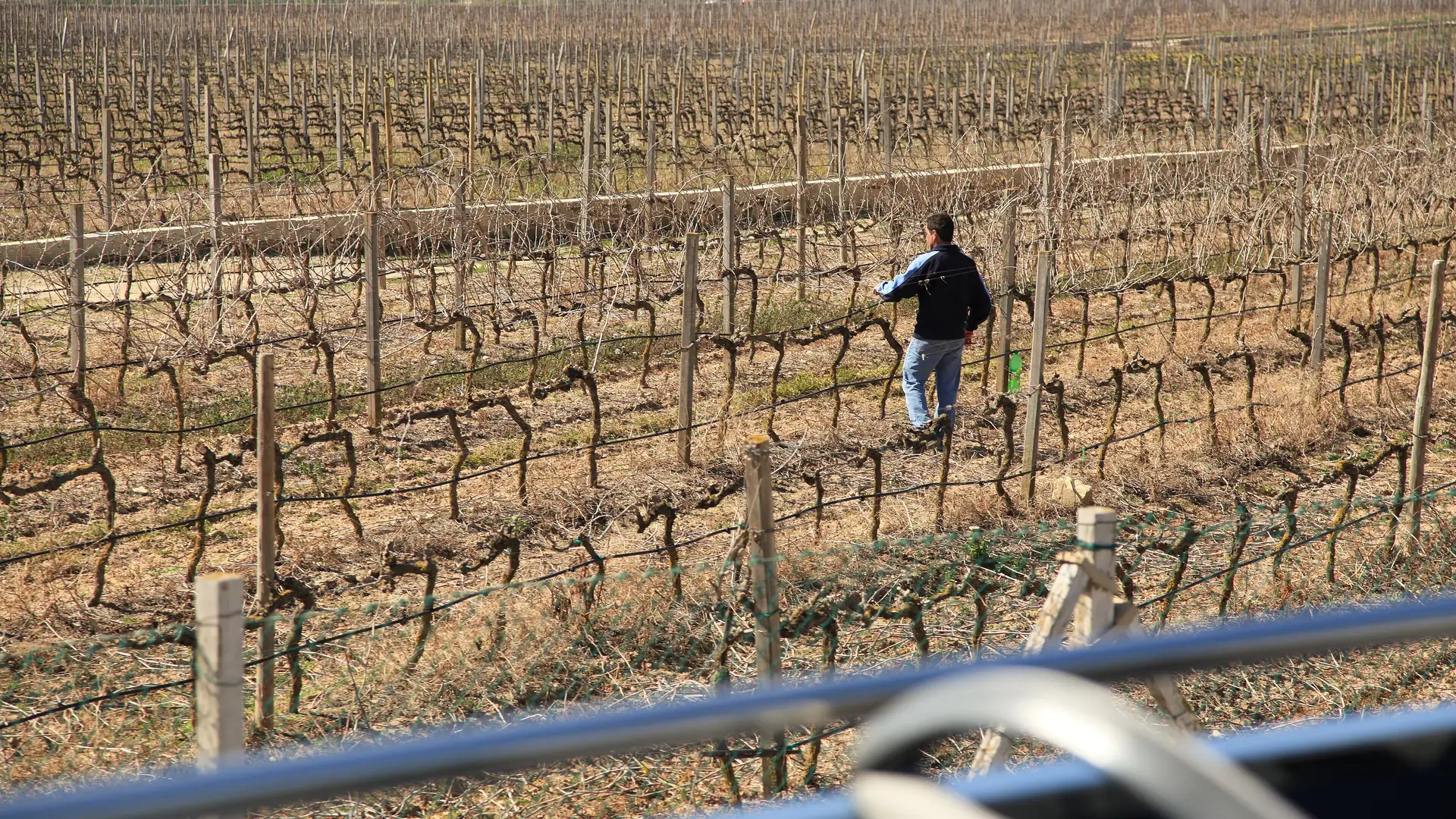
Malta grows two grapes you will struggle to drink anywhere else: Girgentina, a fresh white, and Ġellewża, a light red. Both are worth an afternoon. The practical detail most guides skip is that not one Maltese winery takes walk-ins in 2026 – every estate tasting is reservation-only, and several want payment upfront.
That single rule decides your plan. Either you book an estate visit days ahead and build the afternoon around it, or you take a guided tasting in town, or you walk into a Valletta wine bar and order by the glass. Below: what each option costs, when the estates actually open, and which wines to ask for.
St Julian's: Maltese Wine Tasting with Cheeses and Cured Hams
A two-hour seated tasting of six Maltese wines paired with local cheeses and cured hams, led by a wine guide who covers the island's grapes and producers. The easiest version to book at short notice, and the only one that needs no advance planning.
- Six local wines, including the native Girgentina and Ġellewża
- Cheeses and cured hams paired through the flight
- Free cancellation up to 24 hours ahead
What makes Maltese wine worth trying?
Two indigenous grapes, and the fact that almost nobody outside Malta grows them. Girgentina is the white: crisp, citrusy, built for the heat. Ġellewża is the red: light, fruity, closer to a chilled Beaujolais than anything heavy.
The estates also plant Chardonnay, Cabernet, Merlot and Syrah, sometimes blended with the local grapes, sometimes not. Those bottles are competent, but they are not the reason to be here.
So the practical instruction is simple: at any tasting, ask specifically for the Girgentina and the Ġellewża. A flight built only around international varieties tells you nothing about Malta, and it is easy to end up with one by default.
Can you turn up at a Maltese winery?
No. Every estate open to visitors in 2026 requires a booking, and the two largest also want prepayment. This is the single most common way a wine afternoon in Malta goes wrong.
| Estate | What you get | From | Length | Booking |
|---|---|---|---|---|
| Emmanuel Delicata | 5 wines across the DOK Malta, DOK Gozo and IGT ranges, with Maltese bread and olive oil | ~€25 | 60–90 min | Reservation and prepayment only |
| Marsovin | 4–6 wines in a 400-year-old cellar in Marsa | ~€60 | ~75 min | Mon–Fri, roughly 11:00–14:30, pre-book |
| Meridiana, Ta' Qali | Fermentation hall, underground cellar and a terrace tasting | No published rate | ~2 hrs | Mon–Fri 09:00–17:00, Sat on request |
| Ta' Betta (Siġġiewi), Ta' Mena (Gozo) | Small-estate tastings | Unpublished | Varies | Appointment only |
Delicata is the value pick. Around €25 for five wines across all three quality tiers, with bread and oil to break them up, is the cheapest honest introduction on the island.
Marsovin costs more than double and is buying you the room as much as the wine – a cellar dug four centuries ago, under Marsa. The weekday-only, early-afternoon window is tight, so it needs planning around rather than slotting in.
Meridiana at Ta' Qali is the one that behaves least like a business. There is no published price and the online booking form has been down; the estate asks visitors to email or phone. Recent visitors report roughly €35 per person for four wines and a large Maltese platter, but treat that as a guide and confirm when you contact them.
Where can you drink Maltese wine without booking?
Valletta, and specifically two places that have been doing this for years.
Legligin on St Lucia Street is Michelin-listed and runs a Maltese-focused list alongside a tasting menu at roughly €45 per person. It is a small room, so a call ahead still helps, but it is not the formal appointment an estate demands.
Trabuxu on Strait Street is a wine bar in a 400-year-old stone cellar, open 19:00 to midnight Tuesday to Saturday and closed Sunday and Monday. You walk in, you order local bottles by the glass, and nobody needs your name in advance.
Between them they cover the low-commitment version of this entire article. If your trip is tightly packed, this is the fallback that costs you no planning at all, and it pairs neatly with an evening in Valletta's old streets.
Estate visit or tasting in town?
Take the town tasting if this is a two-hour curiosity rather than a project. It is seated, it is indoors, it runs in the evening, it can be booked the day before, and at around €40 with food it costs less than most estate visits. For most visitors that is the correct answer.
Go out to an estate if the winemaking itself is the draw, and if you have a car or a taxi budget – Ta' Qali, Marsa and Siġġiewi are not casual bus journeys. Spring and autumn are the months worth choosing, when the vines are green and the heat is manageable; the best time to visit Malta guide has the fuller seasonal picture.
Either way, book before you fly for anything estate-based. And if you are stacking food and drink into the same day, a Valletta food tour in the morning followed by a tasting in the evening is the sequence that works, not the reverse.
Featured image: Frank Vincentz / Wikimedia Commons / CC BY-SA 3.0