Malta has no trains and no metro. Everything moves by bus, ferry, taxi or car on an island you can cross in about an hour – which sounds simple until the summer traffic turns a 12 km trip into 40 minutes. A single bus fare is €2.00 in winter and €2.50 in summer, valid for two hours with free transfers, and that covers most of what visitors want to reach.
Only three decisions really matter: whether a €25 Explore card beats single fares, which Gozo crossing to take, and whether you need a hire car at all. For a first visit based in Sliema, St Julian's or Valletta the last answer is usually no – a car earns its keep on the remote beaches and the south, not in town.
What each option costs
| Mode | Typical cost | Best for |
|---|---|---|
| Tallinja bus | €2.00 winter / €2.50 summer | Almost everything, cheaply |
| Explore 7-day card | €25 adult / €7 child | Six or more bus journeys a week |
| Gozo Channel ferry | €4.65 return on foot | Ċirkewwa to Mġarr, 25 min |
| Valletta–Sliema ferry | €3.00 single / €5.00 return | Skipping the harbour road |
| Ride-hailing (Bolt, Uber, eCabs) | Metered, upfront quote | Door-to-door, late nights |
| Hire car | From around €25/day | Remote beaches, the south, Gozo |
Buses: the Tallinja network
Buses are the cheap backbone, run by Malta Public Transport under the Tallinja brand. A single fare buys two hours of travel with free transfers, so a journey with a change still counts as one ticket – which is how the network stays good value even when the routing is indirect.
The fare is seasonal, and the split is worth knowing before you tap:
- Winter single: €2.00 – this season's winter fare ran 19 October 2025 to 13 June 2026
- Summer single: €2.50, in force over the peak months
- Night routes and Special Services: €3.00
- Tallinja Direct airport routes: €3.00 per journey, and €3.50 on TD1
Is the Explore card worth it?
The Explore 7-Day Adult card costs €25 and gives unlimited travel on Day and Night routes for a week. A child 7-day version is €7, for ages 4 to 10. The important exclusion: Tallinja Direct and the airport express routes are not covered, so you still pay €3 separately for the bus in from the airport even holding a card.
At the €2.50 summer fare, the card breaks even at ten journeys in seven days – comfortably reached if you are using buses daily, and not reached at all if you are mostly walking around one town.
The lighter alternative is the 12 Single Day Journeys card at €19, which works out at about €1.58 a journey against €2.50 walk-up. Each tap still carries the free-transfer window of two hours, and the card stays valid for six months from first use, which suits a shorter trip or a couple who only need a handful of rides.
The honest downside is speed. The network is extensive, but the popular coastal routes get packed and slow in peak-season traffic – allow more time than the map suggests, and front-load travel into the cooler morning.
Ferries: Gozo and the harbour crossings
Ferries are the most pleasant way to travel here, and on some routes the only sensible one.
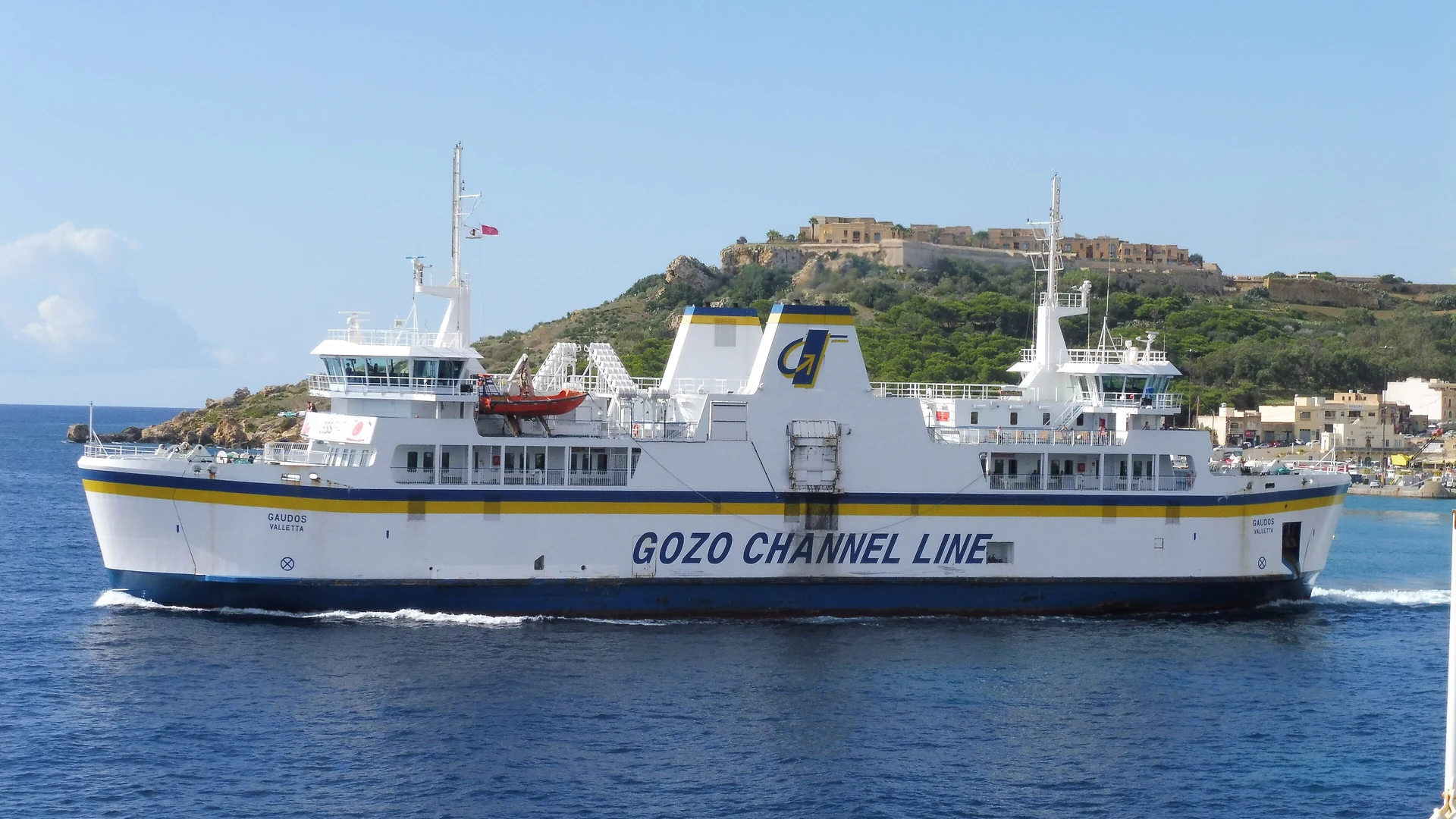
The Gozo Channel car ferry runs Ċirkewwa to Mġarr in about 25 minutes, round the clock, all year. The pricing quirk catches everyone: you pay nothing on the way out, because the return fare is collected at Mġarr when you leave Gozo – €4.65 return as a foot passenger, €15.70 for a car and driver. Our Gozo day trip guide covers the timings and the summer car queues in detail.
Closer to base, the harbour ferries are a genuine shortcut rather than a sightseeing extra. The Valletta–Sliema crossing costs €3.00 single and €5.00 return by day, rising to €3.50 and €5.20 after 19:30. The crossing itself takes only a few minutes, against a bus that has to work its way round the creek – and a separate ferry links Valletta with the Three Cities on the other side of the Grand Harbour.
Taxis and ride-hailing
For door-to-door trips, use an app rather than flagging a cab. Malta now has four operators worth knowing, and they are not interchangeable.
- Bolt: the largest ride-hailing app in Malta and the default choice for most journeys
- Uber: operates in Malta, with narrower coverage than Bolt
- eCabs: the Malta-founded original, with its own fleet and a long local track record
- Ryde: a smaller local operator, less widely used
All quote upfront and settle in-app, which removes the haggling that made the traditional white taxis a nuisance.
White taxis still have one advantage: government-regulated fixed fares from the airport – around €17 to Valletta and about €20 to Sliema or St Julian's, settled at the official counter in the Arrivals Hall. That fare does not surge when four flights land together, which is exactly when the apps do.
Hiring a car: when it is worth it
Car hire runs from around €25 a day off-season and booked ahead, with the desks at Luqa airport. If your trip is built around remote beaches, the temples and the quiet corners, comparing rates before you fly is where the saving is – walk-up rates are higher and the cheap cars sell out in August.
Two things to weigh before committing. Malta drives on the left, and the local driving style is assertive on narrow, busy roads – fine if you are used to it, stressful if you are not.
Parking is the real catch: tight and expensive in Sliema and Valletta. A car works best if you are based somewhere with parking and driving out, rather than driving into the centres. Our Malta car hire guide covers the deposit, the excess and the licence rules that catch people at the desk.
Getting in from the airport
The airport sits close to the main resort areas, so the first ride is short. Your options are the €3 Tallinja Direct express bus, a fixed-fare taxi from around €17, or a pre-booked private transfer that meets you in Arrivals – the full comparison, route by route, is in our Malta airport transfers guide.
If you are hiring a car for the whole trip, collecting it on arrival saves a transfer – but only if you are comfortable driving straight from the terminal into Maltese traffic.
The tourist option: hop-on hop-off
If you would rather link the sights without planning connections, the hop-on hop-off bus covers the island's highlights on two loops from Sliema with an audio guide at each stop. It costs more than a week of Tallinja travel but bundles the route and the commentary into one ticket – useful on a first day to get your bearings before you switch to the public network.
For the wider planning picture, including how much of this you need to book in advance, our Malta basics guide covers transport alongside everything else.
Featured image: HH58 / Wikimedia Commons / CC BY-SA 4.0