The best time to visit Malta is late May to June, or September to October. Those four months are the only stretch of the year when the sea is warm enough to swim, the air is cool enough to walk Valletta at midday, and the prices have not yet reached their August peak. Everything else is a trade.
The trade is worth understanding, because Malta's weather is not the variable most people think it is. The islands average around 300 sunny days a year, so the sun turns up in nearly every month. What actually changes across the calendar is the sea temperature, the crowds and the room rate.
Malta's year in one table
Malta has a Mediterranean climate with two real seasons and almost nothing in between: hot, dry summers and mild, damp winters.
| Season | Day high | Sea | Crowds and price | Best for |
|---|---|---|---|---|
| Spring (Mar–May) | 17–26°C | 16–19°C | Low to mid | Walking, sightseeing, wildflowers |
| Summer (Jun–Sep) | 28–33°C | 22–27°C | Highest, priciest | Beaches, the Blue Lagoon, festas |
| Autumn (Oct–Nov) | 20–25°C | 24°C, cooling | Mid, falling | Swimming and sightseeing together |
| Winter (Dec–Feb) | 15–16°C | 16–19°C | Lowest, cheapest | City breaks, Carnival |
The single most useful fact in that table is the mismatch between the air and the sea. The sea lags the air by roughly two months, which is why October swimming is better than June swimming despite October being the cooler month on land.
The sea is the thing that decides your trip
Air temperature is a poor guide to when Malta is worth visiting, because the sun is close to guaranteed from April to October. Water temperature is the number that changes what you can actually do.
| Month | Sea | Swimming verdict |
|---|---|---|
| January–March | 15.5–16°C | Cold-water swimming only |
| April | ~16–17°C | Brisk, for the hardy |
| May | 18–19°C, warming | Comfortable by late month |
| June | 22–23°C | Easy swimming for everyone |
| July | ~25°C | Warm |
| August | 26–27°C – the annual peak | Warmest water of the year |
| September | ~26°C | A fraction below August |
| October | ~24°C | Still warmer than June |
| November | 20°C, then 17–18°C | First fortnight only |
| December | 19°C falling to 17°C | Over for most people |
August is the true peak at 26–27°C, with September a fraction of a degree behind at about 26°C. The two months are not equal, but the gap is smaller than the difference between two beaches on the same afternoon – which is why September is the better trip for most people, since the water barely changes while the crowds and prices fall away.
The tail at the other end is the underrated part. The sea holds around 20°C into mid-November, warmer than it manages in June, because water sheds the heat it absorbed over summer far more slowly than air does.
Late May to June, or September to October
If you want a single answer, this is it. You get sea warm enough to swim, days long enough to fill, sightseeing temperatures that do not punish you at noon, and rates well below the July–August peak.
June and September are the two standout months. June gives you 28–30°C days, a 22–23°C sea and the longest daylight of the year, all before the peak-season crowds land. September gives you a near-peak 26°C sea, highs easing to around 28°C, and only about four wet days across the whole month – the driest of the autumn by a wide margin.
May and October are the value picks either side. May runs 23–26°C on land but the sea only reaches 18–19°C, so it is a sightseeing month with a late-month swim attached rather than a beach month. October reverses it: 24–25°C days, a 24°C sea and roughly nine wet days – cooler on land, better in the water.
When to go for beaches and the Blue Lagoon
For a beach-first trip, target July to early October. The weather is reliably dry, the water is at its warmest, and the boat season to Comino is running at full frequency.
The cost is crowding, and it is concentrated rather than general. The Blue Lagoon is the pinch point: in midsummer the bay fills with tour boats by late morning and the swimming area shrinks to whatever the moorings leave behind.
The fix is the hour, not the month. Going early beats going in a quieter season, and a Blue Lagoon boat tour that leaves in the morning gets you into the water ahead of the midday armada whatever month you have booked.
If you would rather see what is running on your dates before committing to a month, it is worth browsing Malta's tours and day trips – the boat and Comino schedules thin out noticeably either side of the summer season, and the listings show that faster than any calendar can.
When to go for Valletta, Mdina and walking
For sightseeing, summer is the worst season Malta offers, and the reason is architectural as much as meteorological. Valletta and Mdina are dense limestone grids with narrow streets that absorb heat all day and release it into the evening.
March is the best walking month of the year – highs of 17–18°C, the countryside still green from the winter rains, and no need to plan around the heat at all. April follows it closely at 19–20°C and is the driest month since the previous September.
Spring and autumn both work for a things to do in Malta itinerary at a walking pace. The same logic decides a Gozo day trip: the island is greener and the ferries quieter in May or October than under an August sun.
Winter: cheapest, quietest, mildest
Malta in winter is mild rather than cold. January and February both run highs of 15–16°C, hotel rates sit at their annual floor, and the queues at the headline sights effectively disappear.
The catch is daylight and rain. January averages about 5.5 hours of bright sunshine a day, the lowest of the twelve months, against roughly 11 hours in August – and November, December and January are the three wettest months, each carrying 80–100mm.
That rain arrives in short heavy bursts with bright spells between, not as all-day British drizzle. The genuine winter risks are wind and sea state: rough days cancel Comino trips and can disrupt the Gozo crossing, so a winter trip should not be built around a boat.
Every month in detail
Each month has its own guide with the full weather picture, the events and the honest verdict:
- Spring: March, April and May
- Summer: June, July and August
- Autumn: September, October and November
- Winter: December, January and February
For the twelve months set side by side on temperature alone, see Malta temperature by month. For the opposite question – which months to actively avoid, and why – the worst time to visit Malta guide takes it trip type by trip type.
So when should you visit?
For most people: late May to June, or September to October. Warm sea, dry days, comfortable walking and prices below the peak.
For a guaranteed beach holiday: July or August, accepting that you pay the most, share the most and sightsee least comfortably. For culture and value: November to March, with the beach written off and Valletta, Mdina and the temples at their emptiest.
If this is a first trip, our Malta travel basics guide covers the rest of the planning alongside the timing.
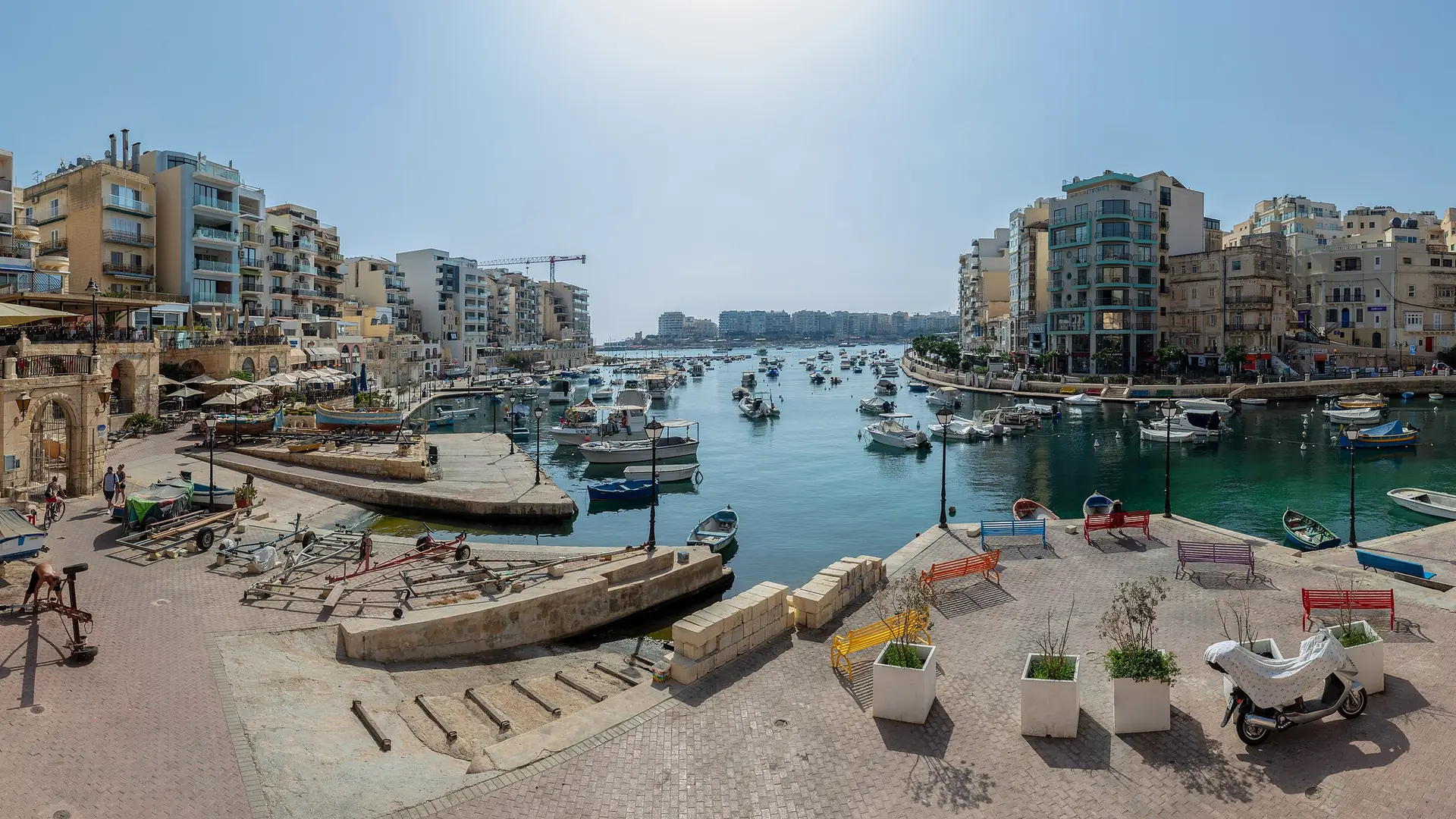
Featured image: Diego Delso / Wikimedia Commons / CC BY-SA 4.0