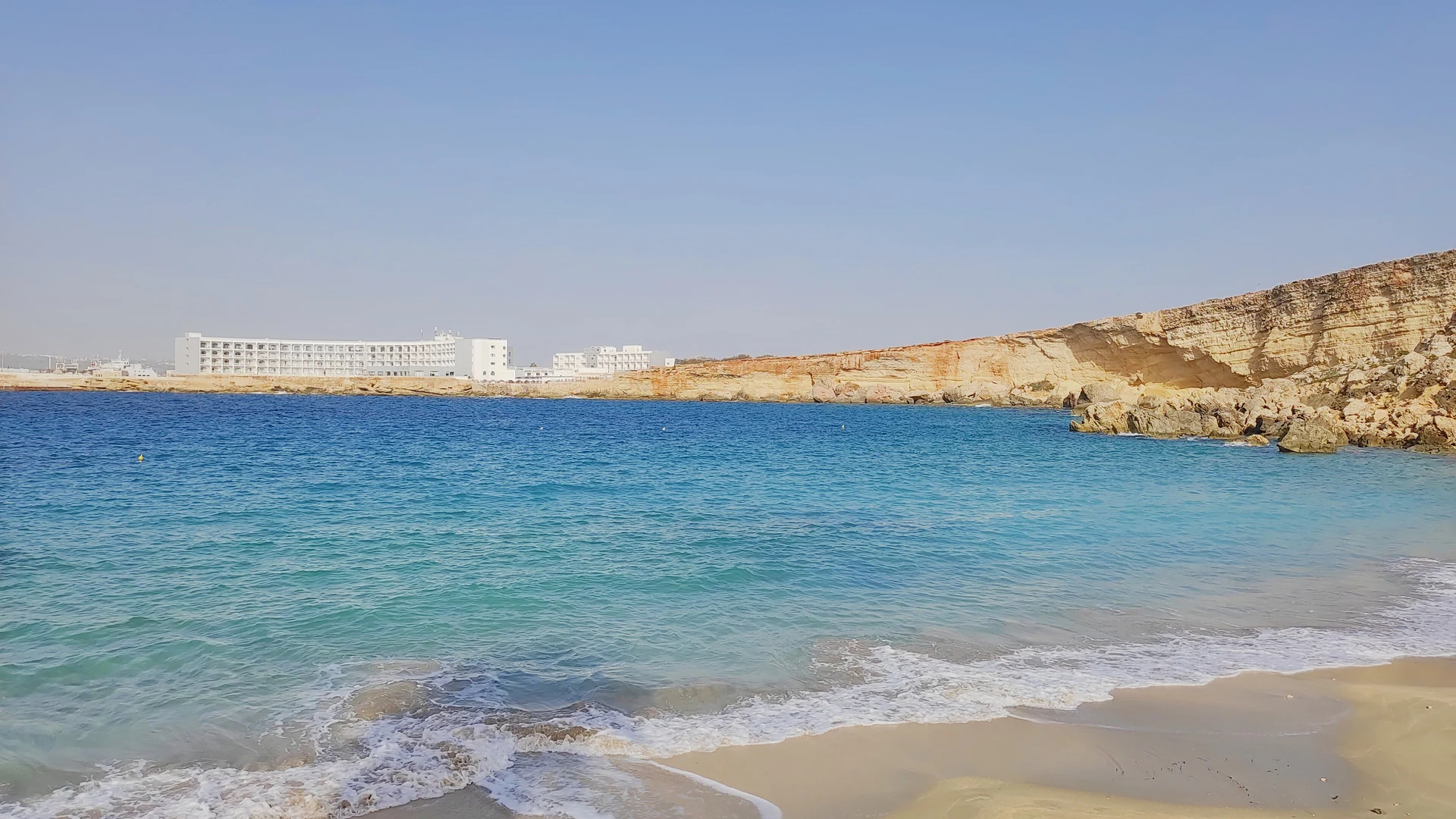
Malta in July runs highs of 31–33°C, nights that stay at around 22°C, a sea at roughly 25°C and virtually no rain at all – 0–3 mm across the month. With about 12 hours of sunshine a day on an island that is small, exposed and short of shade, the heat is not a detail of a July trip. It is the thing you plan around.
July is also Malta's busiest events month by a distance, with the Jazz Festival, Europe's largest free summer concert and a ten-day beer festival all falling inside four weeks. That combination – guaranteed weather, a warm sea and a packed calendar – is why it shares peak season with August. Below: the numbers, the dates worth booking around, and how to make the middle of the day survivable.
What is the weather like in Malta in July?
Hot, humid and completely predictable. July does not really have weather in the sense that a shoulder month does; it has conditions, and they barely move.
| Measure | Early July | End of July |
|---|---|---|
| Daytime high | ~31°C | ~33°C |
| Night low | ~22°C | ~22°C |
| Sea temperature | ~25°C | ~25°C |
| Sunset | around 20:20 | around 20:00 |
Rainfall runs to 0–3 mm across the entire month, which is as close to a guarantee as a climate offers. Nothing outdoors needs a contingency plan in July, and the only weather variable worth watching is the wind, which decides whether the Comino sailings and sea-cave stops run as advertised.
The figure that shapes the trip is the night low. At around 22°C the air never really cools, so the relief that arrives after sunset in June does not come in July. Air conditioning stops being a preference and becomes something to check before you book. Our Malta temperature by month page sets July against the rest of the year.
Can you swim in Malta in July?
Constantly, and you will want to. The sea sits at around 25°C, which is bath-warm by northern European standards and the main reason July works at all.
The practical point is that the water is not just pleasant, it is the cooling strategy. On an exposed limestone island in the low 30s, the sea and the offshore breeze are the shade that the landscape does not provide.
- Sea temperature: around 25°C, warm at any hour including after dark
- Beach facilities: fully open, at maximum capacity and maximum crowding
- Boat trips: full schedules daily, selling out days ahead in peak weeks
- The catch: the popular bays and the Blue Lagoon fill by mid-morning
Go early or go late. The best beaches in Malta are transformed by an 08:00 arrival, and a Blue Lagoon boat trip on a morning departure gets you the water before the afternoon armada.
What is on in Malta in July?
More than any other month. Three of these are worth building dates around, and two of them are free.
- Malta Jazz Festival – 6 to 11 July 2026. Six nights on the Valletta waterfront, under the bastions, with the harbour as the backdrop. Malta's most established music festival and a genuinely good setting.
- Isle of MTV Malta – 22 July 2026. Il-Fosos Square, the Granaries, in Floriana. Europe's biggest free summer concert, with Katy Perry headlining the 2026 edition alongside AIDAN and AFROJACK. Free entry, and it draws a very large crowd.
- Farsons Beer Festival – 23 July to 1 August 2026. Ta' Qali National Park, ten nights, free entry with no ticket required, more than 30 beers on tap and live music every night. The most local of the three.
- Village festi at their peak. The parish feast season is at full strength through July, with band marches, decorated streets and fireworks somewhere on the islands most weekends.
The scheduling consequence is worth stating plainly: if you are visiting in the last ten days of July, the island is hosting a free stadium-scale concert and a ten-day festival simultaneously. Accommodation tightens and traffic around Floriana and Ta' Qali gets difficult. Book earlier than you would for the first half of the month.
July or September: which is the better trip?
For anyone who is not tied to a school calendar, this is the comparison that should decide the trip, and it is more one-sided than most people expect.
| Measure | July | September |
|---|---|---|
| Daytime high | ~31–33°C | ~28°C |
| Night low | ~22°C | ~20°C |
| Sea temperature | ~25°C | ~26°C |
| Wet days | ~0–1 | ~4 |
| Prices and crowds | Peak | Falling through the month |
| Midday sightseeing | Hard work | Comfortable from mid-month |
September's sea is warmer than July's, because water lags the air by months and is still releasing the heat it absorbed all summer. You get a better swim, cooler air, lower prices and thinner crowds, and you give up almost nothing except the events calendar.
That is the honest answer for a beach trip. July wins only if you want the festivals, or if the school holidays make the decision for you. August is hotter again and no cheaper, so it rarely improves on either.
Is Malta worth visiting in July?
For the right trip, yes. Guaranteed heat, a warm sea, the best events calendar of the year and an island running at full tilt – if that is the holiday you want, July delivers it without qualification.
The costs are equally clear. It is the most expensive month alongside August, the headline sights are crowded, and the middle of the day is genuinely punishing for sightseeing. Valletta and Mdina are stone cities with little shade; walking them at 14:00 in July is something most people do once.
If heat is a problem for you, the shoulder months are not a compromise but an upgrade. Our best time to visit Malta guide makes that case, and the worst time to visit Malta page is blunt about who should avoid the peak entirely.
What does July cost, and what should you pack?
July is the expensive end of the year with August. Flights, hotels and the popular tours are all at their dearest and the good operators fill weeks out, so this is the one month where booking early changes what is available rather than just what it costs.
Build the day around the heat rather than fighting it: towns and temples before 10:00, the water from late morning to late afternoon, and everything social after 18:00 when the light softens and the streets refill.
Packing is heat management, not fashion:
- Light, loose, breathable clothes – synthetics are miserable at 33°C with humidity
- High-factor sun cream and a hat – 12 hours of sun a day, and the reflection off limestone and water doubles it
- A reusable water bottle – the single most useful thing in your bag in July
- Swimwear you can put on twice a day – you will be in the sea more than you plan to be
- Something for the evening – nights at 22°C need nothing warm, but the festi and festivals are worth dressing for
Featured image: Josi / Wikimedia Commons / CC BY-SA 4.0