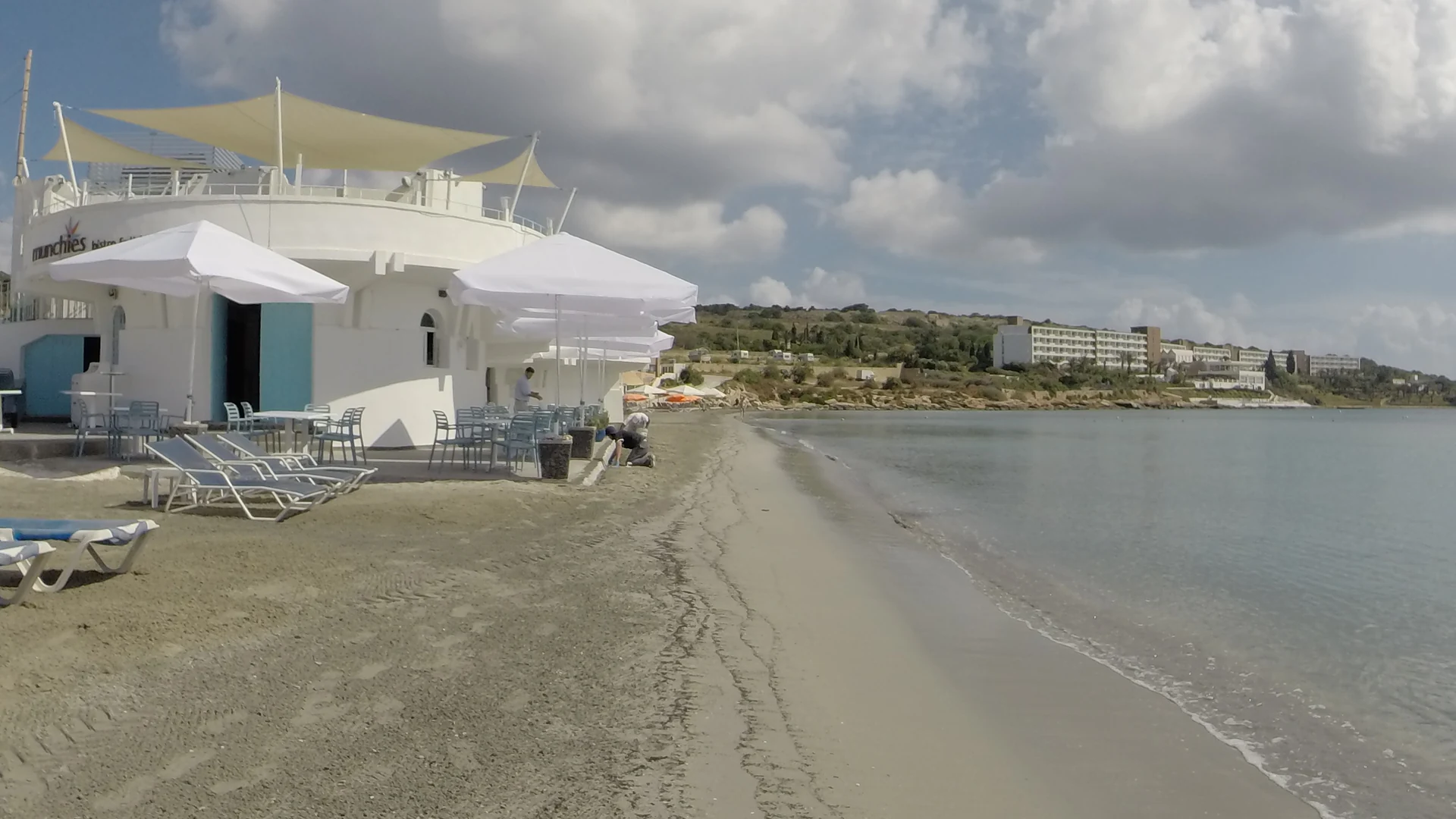
Malta is one of the easiest Mediterranean destinations to do with children. It is small, safe, English-speaking, and the transfer from the airport to the family resorts in the north takes about 40 minutes. Nothing on the island is more than an hour from anywhere else.
Three decisions make or break the trip: base in the sandy north rather than the nightlife strip, avoid the July–August heat with toddlers if you can, and sort car seats before you fly – Maltese law requires them and the white taxis rarely carry any.
Where to base yourself with kids
The north coast is family territory, and this is the decision that matters most.
| Base | Best for | The trade-off |
|---|---|---|
| Mellieħa | Beach-first family weeks – biggest sandy bay, most family resorts | 35–40 min from Valletta and the south |
| Buġibba / Qawra | Budget and convenience – flat, walkable, self-catering | Small rocky beach, less charm |
| Sliema | Families wanting an urban base and harbour ferries | No sandy beach, busier streets |
| Paceville, St Julian's | Nobody with young children | Clubs run to 04:00 |
Mellieħa is the standout. It sits above the island's biggest sandy bay, it is a short hop from Popeye Village and Golden Bay, and it holds the highest concentration of resorts actually built for families. Our guide to the best family hotels and resorts in Malta covers the pick of them, pools and kids' clubs included.
Buġibba, Qawra and St Paul's Bay are the value play – flatter, walkable and cheaper, with plenty of self-catering apartments and the National Aquarium and a waterpark nearby. Less pretty than Mellieħa, hard to beat for convenience on a budget.
Do not book young children near Paceville. The quieter edges of St Julian's and neighbouring Sliema are fine for families who want an urban base with the harbour ferries on the doorstep – see where to stay in Malta for the full area breakdown.
For school-holiday weeks, settle the hotel early – the northern resorts with kids' clubs are the first things to go.
What the family attractions cost
Knowing the numbers up front saves a lot of on-the-day negotiation.
| Attraction | Price | Time needed |
|---|---|---|
| Popeye Village | From ~€15, mid-€20s in summer | 2–3 hours |
| Blue Lagoon boat trip | €20–45 per person | Half or full day |
| Malta National Aquarium, Qawra | Paid entry | 1.5–2 hours |
| Splash & Fun Water Park | Paid entry | Half day |
| Mellieħa Bay and Golden Bay | Free (sunbeds extra) | As long as you like |
| Gozo ferry, foot passenger | €4.65 return | Full day |
The best days out here are the cheap ones. A morning on Mellieħa Bay costs nothing but the sunbeds, and it is the thing most children remember.
The best things to do with kids
Popeye Village is the obvious crowd-pleaser. The wooden film-set village from the 1980 film is now a small fun park with play areas, pools, mini-boat rides and character shows. Tickets start around €15 and rise into the mid-€20s in summer when the inflatable water park in the bay is running. It lands well with everyone from toddlers to tweens.
A boat trip to the Blue Lagoon on Comino is the other headline day. The water is shallow, warm and genuinely the colour of the photographs, which younger children love, and older ones can snorkel off the boat.
For the hottest part of the day or a rare grey one, the Malta National Aquarium in Qawra is a reliable indoor winner, and the Splash & Fun Water Park at Baħar iċ-Ċagħaq adds slides and a pool complex. Younger children also get a lot out of the Playmobil FunPark near Ħal Far.
A Gozo day trip is worth building in. The ferry crossing is an adventure in itself at that age, the island is greener and quieter, and foot passengers pay €4.65 return, collected only on the way back.
Beaches for families
Mellieħa Bay (Għadira) is the best family beach in Malta – the largest sandy bay on the island, with water that stays shallow a long way out, plus lifeguards and facilities in season. Golden Bay is the other strong pick, sandy, well served and with lifeguards through the summer.
What to avoid with little ones are the rocky spots and the bays down long staircases. Għajn Tuffieħa is a good beach and a bad idea with a pushchair – around 180 steps down, and the same back up at the end of a hot afternoon. St Peter's Pool is flat rock with no shade, no toilets and deep water.
Our best beaches in Malta guide ranks them all. Whichever bay you pick, bring or hire shade – the beaches get full Mediterranean sun and the bigger bays rent umbrellas and loungers, which is money well spent with children.
Getting there and around with kids
Transfers are short: the northern resorts are roughly 40 minutes from the airport. The thing to sort in advance is car seats.
Buses are cheap – €2.00 in winter, €2.50 in summer, valid two hours with free transfers – and they reach the main spots. They also pack out in summer, and wrestling a folded buggy onto a full route is no fun. Fine off-peak, harder at the height of the day. Our getting around Malta guide has the network in detail.
A hire car makes beach days and the far sights much easier with children in tow, so it is worth comparing rates if you plan to roam. Parking is tight in the towns, so it earns its keep most when you are based somewhere with parking and heading out from it.
When to visit with children
Skip July and August if your dates are flexible. Average highs run 31–32°C and the nights do not cool below 22–24°C, which is the part that catches families out – a room with weak air conditioning becomes a week of bad sleep for everyone.
Late spring (May to June) and September are the sweet spot. The sea is warm, the sun is kinder, the resorts are calmer and the rates are lower. September holds a near-peak 26°C sea with only about four wet days, which makes it the strongest family month of the year.
Easter and spring half-term work well for a sightseeing-led trip, though the sea is only 16–19°C then, which is too cold for long swims. Winter is mild and good for a city break but is not beach weather. The best time to visit Malta guide breaks it down month by month.
Practical tips
Build the day around the heat. Beach and outdoor sights in the morning and late afternoon, and the midday hours for lunch, a nap or somewhere indoors. Pack hats, high-factor sun cream and more water than you think you need.
The everyday stuff is easy:
- Language: English is official and spoken everywhere – no barrier at all
- Healthcare: pharmacies and medical care are good and easy to access
- Supplies: supermarkets stock nappies, formula and baby food
- Hotels: most family hotels provide cots and high chairs if you ask at booking
- Eating out: children are welcome everywhere, early dinners are normal, and pasta, pizza and grills are on every menu
Base in Mellieħa if beach days are the priority – above the biggest sandy bay, near Popeye Village and Golden Bay, surrounded by resorts with pools and kids' clubs. Pick Buġibba or Qawra if budget and convenience matter more – flatter, cheaper and walkable, with the aquarium and a waterpark on the doorstep. The sand is smaller, but everything is close.
Featured image: Alan C. Bonnici / Wikimedia Commons / CC BY-SA 3.0