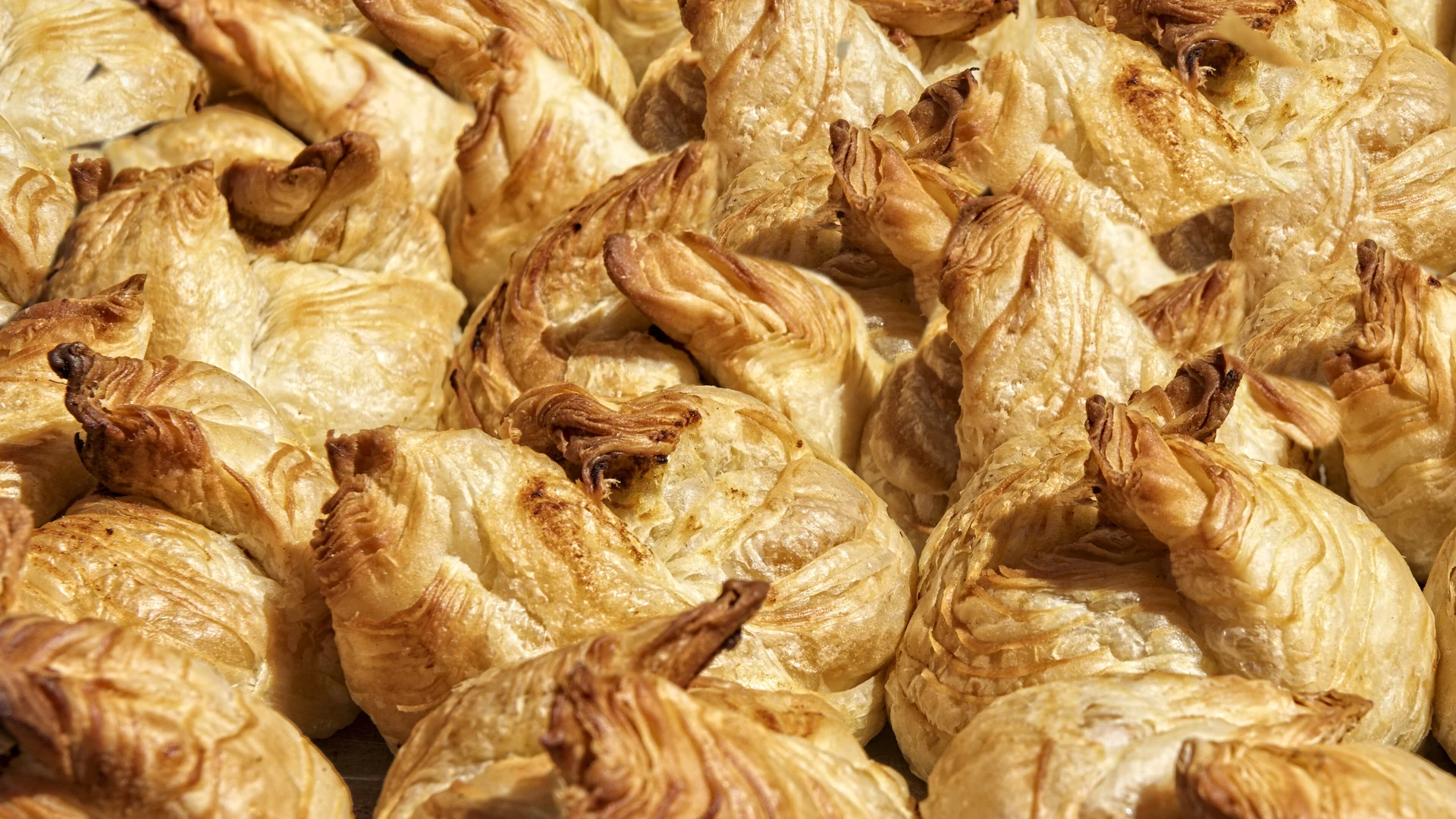
Maltese food is a Sicilian, North African and British collision built on flaky pastizzi, crusty ftira and slow-cooked rabbit. It is also still cheap in a way most of Western Europe is not: a pastizz costs €0.35–0.45 at a proper pastizzerija, and a full two-course fenkata runs €14–18 per person in a village restaurant.
A guided street-food walk is the shortcut, not the destination. Three hours in Valletta with a local buys you six to eight tastings and, more usefully, a shortlist of what to chase for the rest of the week. Below: which tour is worth booking, what every dish should cost in 2026, and the places worth crossing the island for.
Valletta: Street Food and Culture Walking Tour
Three hours through the capital with a licensed local guide, built around six to eight street-food tastings rather than a sit-down meal. Starts 09:30 at the New Parliament Building and works its way down towards the Is-Suq tal-Belt food hall.
- Six to eight tastings, from pastizzi to a rabbit course
- A Kinnie or a local beer included along the way
- Licensed guide covering the city as well as the food
What does a Valletta food tour actually feed you?
Operators shuffle the order, but the spine is the same across every Valletta walk worth booking. You eat standing up, in short bursts, over roughly three hours.
- Pastizzi: the flaky diamond pastry, filled with ricotta or mushy peas, eaten hot from the paper bag.
- Ftira or ħobż biż-żejt: crusty Maltese bread with bigilla bean dip, tuna, capers, olives and oil.
- A cooked course: usually rabbit stew or Maltese ravioli, served as the one sit-down moment.
- Kinnie or a local beer: the bittersweet orange-and-herb soft drink is the local reference point.
- Imqaret or kannoli: date-filled pastry or a filled ricotta shell to finish.
Most routes end at or near Is-Suq tal-Belt, the covered food hall on Merchants Street, which is a useful thing to know because it doubles as your fallback dinner spot for the rest of the trip.
Which Valletta food tour should you book?
Four products cover this market, and they are not interchangeable. Prices below were checked in August 2026 and move with the season.
| Tour | Length | From | Group | Runs |
|---|---|---|---|---|
| Valletta Street Food and Culture (City Walking Tours) | 3 hrs | ~€55 | Small group | Daily, 09:30 from the New Parliament Building |
| Valletta Food Tour: Eat Like a Local (Colour My Travel) | 3 hrs | ~€50 | Max 16 | Mon, Wed, Fri, 10:00 from Valletta City Gate |
| Valletta Food Tour (Best Tours Malta) | 3.5 hrs | ~€50 | Max 16 | Ages 13 and up |
| Gastronomy and History, Mdina and Rabat | 3.5 hrs | ~€116 | Max 15 | Snacks, lunch and wine included |
For a first visit, the street-food walk is the right shape: it is the cheapest way to try the most things, and the 09:30 start leaves the whole afternoon for Valletta itself. The Colour My Travel and Best Tours versions cover similar ground on fewer days of the week, so they are the fallback if your date is sold out.
The Mdina and Rabat tour is a different product at more than double the price. It is a small-group sit-down lunch with wine dressed as a walking tour, and it makes sense only if you were already planning a day in the old capital.
What should Maltese food cost in 2026?
Knowing the local price is the single most useful thing you take away from a tour, because the gap between a village counter and a harbour terrace is enormous.
| Item | Local price | Tourist-zone price |
|---|---|---|
| Pastizz | €0.35–0.45 | €0.60–1.00+ |
| Ftira or ħobż biż-żejt | €2.50–6 | Higher on the seafront |
| Imqaret (2–3 pieces) | €1–1.50 | A euro or so more |
| Fenkata, two courses | €14–18 | €18–22 in Valletta, up to €25 on tourist menus |
Anything over about €0.75 for a single pastizz means you are paying a location premium rather than a quality one. It is a small sum, but it is a reliable signal about the rest of that menu.
The wider picture is the same: Malta stays good value for eating out provided you step one street back from the water. That rule does more for your budget than any discount card.
Where do locals actually eat?
Four places are worth building a plan around, and none of them are in a hotel.
Crystal Palace in Rabat, known to everyone as Is-Serkin, is the pastizzi benchmark. It is open 24 hours, the cheese and pea pastizzi start around €0.35–0.60, and the queue at 03:00 is part of the experience.
Nenu the Artisan Baker on St Dominic Street in Valletta bakes traditional ftira in a wood oven, from about €6, with full meals in the €15–20 range. It is the easiest sit-down version of the food a tour hands you on the street.
Diar il-Bniet in Dingli is the farm-to-fork option, growing much of what it serves. The rabbit main runs around €28.50, which is Valletta money for village cooking, and it opens evenings Monday to Friday plus weekend lunch.
Mġarr is where the fenkata lives. United Bar and Restaurant is the best known and stays open to around 23:00, with Il-Barri and Ta' l-Ingliż on the same square. Go hungry, book ahead at weekends, and expect two courses.
For seafood, Marsaxlokk is still the answer. The Sunday market runs from about 08:00 to mid-afternoon, and while no operator runs a dedicated guided food tour there, it is the one place where wandering and pointing works perfectly well on its own.
Is a food tour worth it, or should you just eat?
Book it early in the trip. Three hours and €55 buys the tastings, but what you are really paying for is knowing what a pastizz should cost, what fenkata involves and which streets to return to. On day one or two, that changes every meal after it.
Skip it if you are here a week or more and enjoy the hunting. The dishes are cheap enough that eating through the list costs less than the tour, and the addresses above are the ones a guide would walk you past anyway.
Either way, do not stop at food. A Maltese wine tasting built on the native Ġellewża and Girgentina grapes is the natural second half of the same evening.
Featured image: Renata Apan / Wikimedia Commons / CC BY-SA 4.0