Malta in November runs highs of around 20–21°C in the first week, night lows of 14–15°C, and roughly 80–90 mm of rain spread across 9 or 10 wet days – which makes it, with December, one of the two wettest months of the Maltese year. The rain arrives in short bursts with bright spells between, not as all-day grey.
The number that decides your trip is the sea. It holds about 20°C through the first half of November, then drops to 17–18°C by the end of the month – so an early-November trip can still be a swimming holiday, and a late-November one cannot. Below: the full weather picture, what is still worth doing when the beach is off, and what it all costs.
What is the weather like in Malta in November?
Mild, changeable and getting shorter. The month is a real transition rather than a steady state, and the first week and the last week are not the same holiday.
| Measure | Early November | End of November |
|---|---|---|
| Daytime high | ~20–21°C | High teens |
| Night low | ~15°C | ~14°C |
| Sea temperature | ~20°C | ~17–18°C |
| Sunset | around 17:15 | just before 17:00 |
Rain totals roughly 80–90 mm across about 9 or 10 wet days in November, which reads worse than it feels. Maltese autumn rain arrives as short, heavy bursts – often an hour of downpour followed by clear sky – rather than the persistent drizzle a British November implies. Two-thirds of the month's days stay dry.
What that means practically: carry a light waterproof and keep your plans flexible by half a day, and you will lose very little. What you should not do is book a rigid, weather-dependent itinerary and expect it to survive intact.
Our Malta temperature by month page sets these figures against the rest of the year, and best time to visit Malta covers how November compares for value.
Can you still swim in Malta in November?
In the first half of the month, comfortably. The Mediterranean around Malta holds roughly 20°C into mid-November – warmer than it manages in June, because the sea takes months to shed the heat it absorbed over summer. That is the whole case for a November trip over a spring one at the same air temperature.
By the last week of November the sea is down to 17–18°C, which is swimmable for the determined and unpleasant for everyone else. The difference between 3 November and 28 November is not a matter of taste – it is two or three degrees of water temperature and a different kind of holiday.
- 1–15 November: sea around 20°C, beach days genuinely on
- 16–30 November: sea cooling to 17–18°C, swims get short and bracing
- Beach facilities: many kiosks, loungers and lidos wind down through the month
- Comino boat trips: reduced schedules, weather-dependent, cancelled outright in swell
If a swim matters, book the first fortnight and check the best beaches in Malta for the sheltered options – the northwest bays take the brunt of an autumn northwesterly, while the southeast coast often stays calm on the same day.
Is November better than October or December?
November sits between the last genuinely warm month and the first properly wintry one, and the three are far enough apart to be worth comparing before you book.
| October | November | December | |
|---|---|---|---|
| Average day high | 24°C | 20°C | 16°C |
| Average night low | 18°C | 14°C | 11°C |
| Average sea | 24°C | 21°C | 17°C |
| Wet days | 9 | 10 | 13 |
October is the better beach month by a clear margin – four degrees warmer in the air, three in the water, and three fewer wet days – and it costs more accordingly. December is a city break with Christmas attached, with the sea out of the question and the rain up again.
November's case is the overlap: it is the last month where a swim is plausible and the first where the sights are genuinely quiet. If you want one month that does both at low-season prices, this is it. If you only want one of the two, one of the neighbours does it better.
Is Malta worth visiting in November?
Yes, with one condition: come for the sightseeing and treat any swimming as a bonus. At 20°C and with the summer crowds gone, November is close to ideal walking weather for Valletta, Mdina and the Three Cities – the same routes that are punishing at 35°C in August.
The trade-offs are real and worth stating plainly. Days are short, with sunset just before 17:00 by the end of the month, so you lose the late-afternoon sightseeing block entirely. Rain will interrupt something. And the beach infrastructure is winding down as you arrive.
Against that: prices drop, the sights are quiet, restaurants have tables, and the light in the hour before that early sunset is the best of the year. For a first trip focused on history and towns rather than sunbathing, November is arguably better value than May.
What is there to do in Malta in November?
Everything that does not depend on a boat or a beach, which is most of it.
- Valletta on foot – the capital is 1 km end to end and far better at 20°C than 35°C
- Mdina and Rabat – the silent city is at its quietest in November, with the coach traffic gone
- A Gozo day trip – ferries and roads are quiet, and the island is greenest after the first autumn rains
- The Three Cities and the harbour – short daylight suits a compact, walkable day
- An early-month beach day – while the sea holds 20°C
The wider things to do in Malta guide has the entry prices and opening hours for all of it. One planning note that matters more in November than in summer: shorter days mean the 09:00–16:00 window is effectively your whole sightseeing day, so front-load the ticketed sights and leave the wandering for the late afternoon.
Comino boat trips do still run, on reduced and weather-dependent schedules. Do not build a trip around one – check the forecast the night before and treat a sailing as a bonus rather than a fixture.
What does November cost, and what should you pack?
November sits firmly in Malta's low season, which is the other half of the argument for coming. Hotel rates fall well below their August levels, the good restaurants take walk-ins, and the sights have no queues – our is Malta expensive guide sets a realistic daily budget, and the best hotels in Malta list covers where the off-season value actually is.
Pack for changeable rather than cold. Nights at 14–15°C need a jacket, days at 20°C do not, so layers do the work.
- A light waterproof – for the short, heavy bursts rather than all-day rain
- Comfortable walking shoes – November is a walking month, and Valletta is all steps and polished limestone
- Swimwear – only if you are travelling in the first half of the month
- A jumper for the evenings – the temperature drops noticeably once the sun goes at 17:00
Malta's buildings are built to shed summer heat rather than hold winter warmth, so some older apartments and guesthouses feel cooler indoors than the outside temperature suggests. Check that your accommodation has heating if you are visiting late in the month.
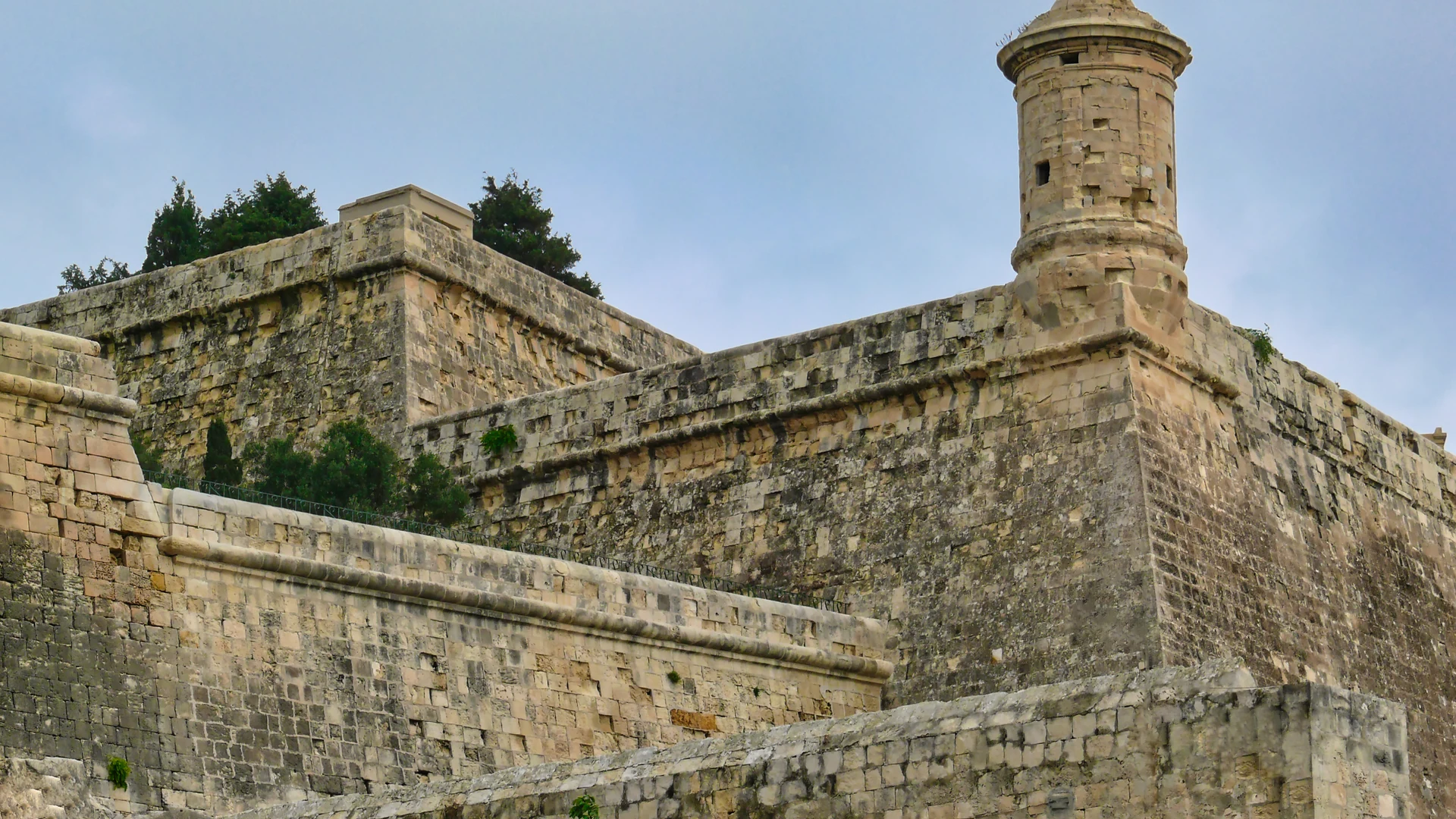
Featured image: Joseph Amodio / Wikimedia Commons / CC BY-SA 4.0